
MAYA was not just our second production; it was a continuation of a question we began with KAYA.
On April 9th at the NCPA, Mumbai, Junoon returned to the stage with a deeper inquiry into the life of an art form beyond the artist. What unfolded that evening was not only a performance but also a coming together of movement, memory, and shared purpose, both on stage and beyond it.
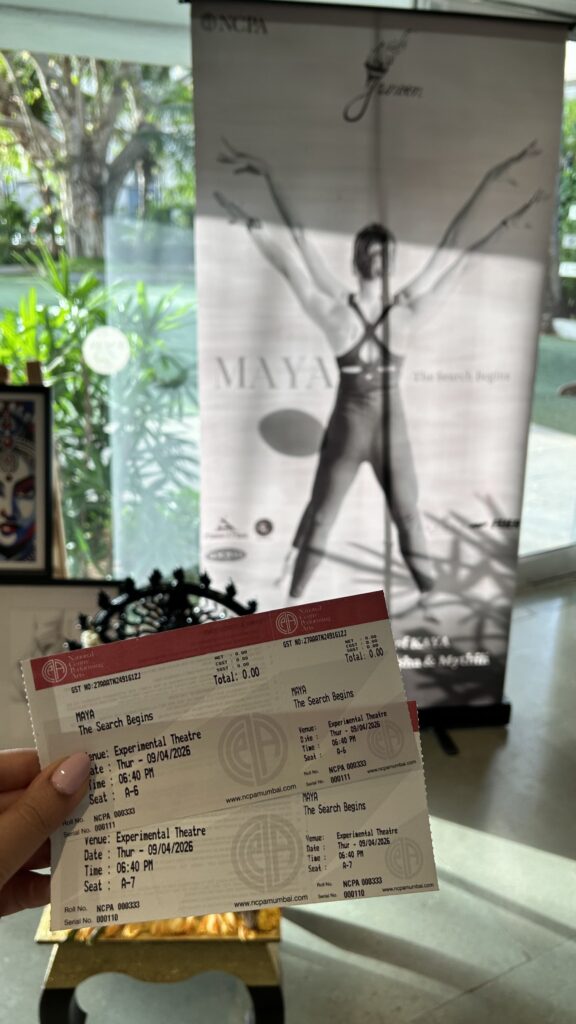
On April 9th, at the NCPA, MAYA unfolded not just as a performance but as a question brought to life.
Revisiting the narrative, Kaya was portrayed by Ms. Mythili Zatakia, Director and Founder of The Junoon Foundation, who continued her role from KAYA the Temple Dancer—grounded in tradition and lived experience. Maya was brought to life by Ms. Bhavisha Kothari, Director of The Junoon Foundation, embodying a free-spirited, exploratory essence that moved fluidly beyond boundaries.
The evening began in stillness, with KAYA alone. Rooted, searching, carrying the weight of a form that lives through the body yet fears the limits of time. Through Bharatanatyam, her movement was inward, intimate, almost interrogative. What does it mean to hold an art so deeply and yet not know where it goes after you?
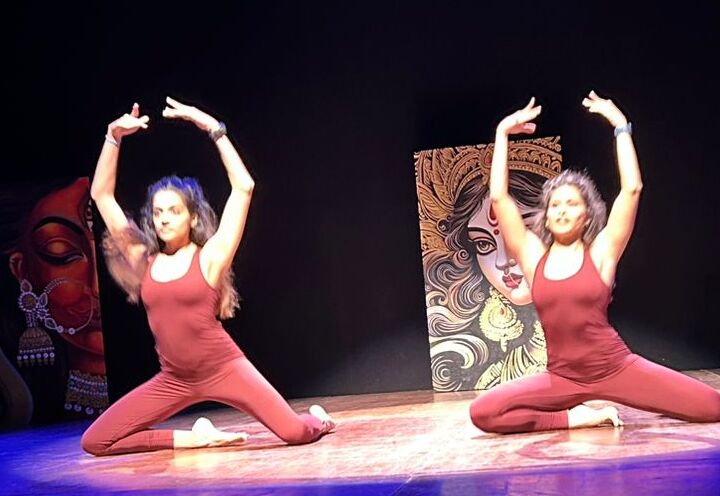
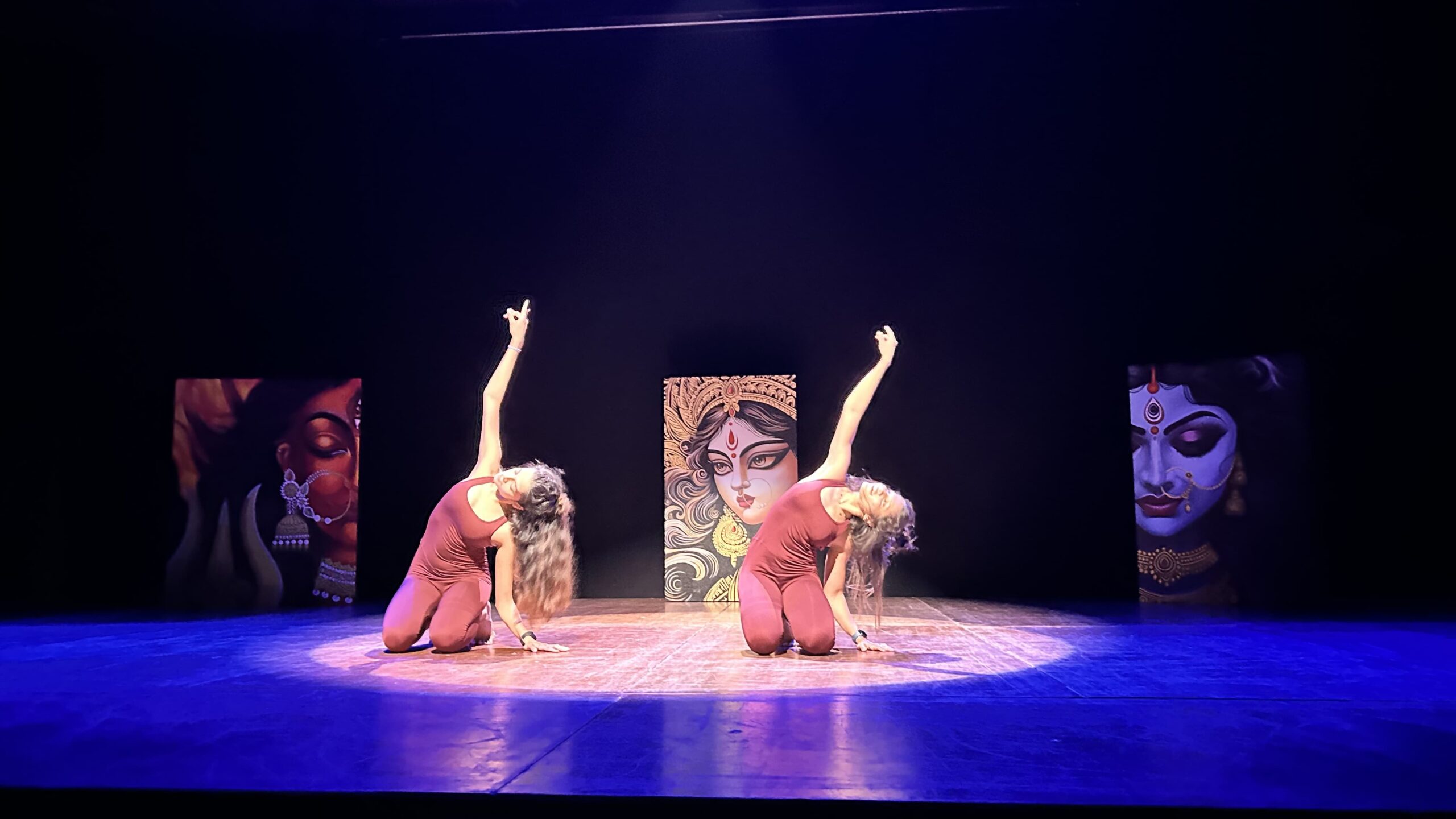
As the narrative opened, MAYA entered, not as a solution, but as a mirror. A second body shaped by the same rigor, the same devotion. Their duet became the heart of the production: a conversation between continuity and change. Classical Ballet lines stretched against the geometry of Bharatanatyam, Contemporary movement softened and disrupted form, while elements of Martial Arts grounded the body in discipline and resistance.


What emerged on stage was not conflict, but negotiation. Between past and future. Between preservation and progression. Between holding on and letting evolve.
The turning point came not in resolution, but in recognition that the survival of an art form is not an individual burden. It is collective. It lives when it is shared, taught, reinterpreted, and trusted to transform.
The stage itself became an active participant in this journey.
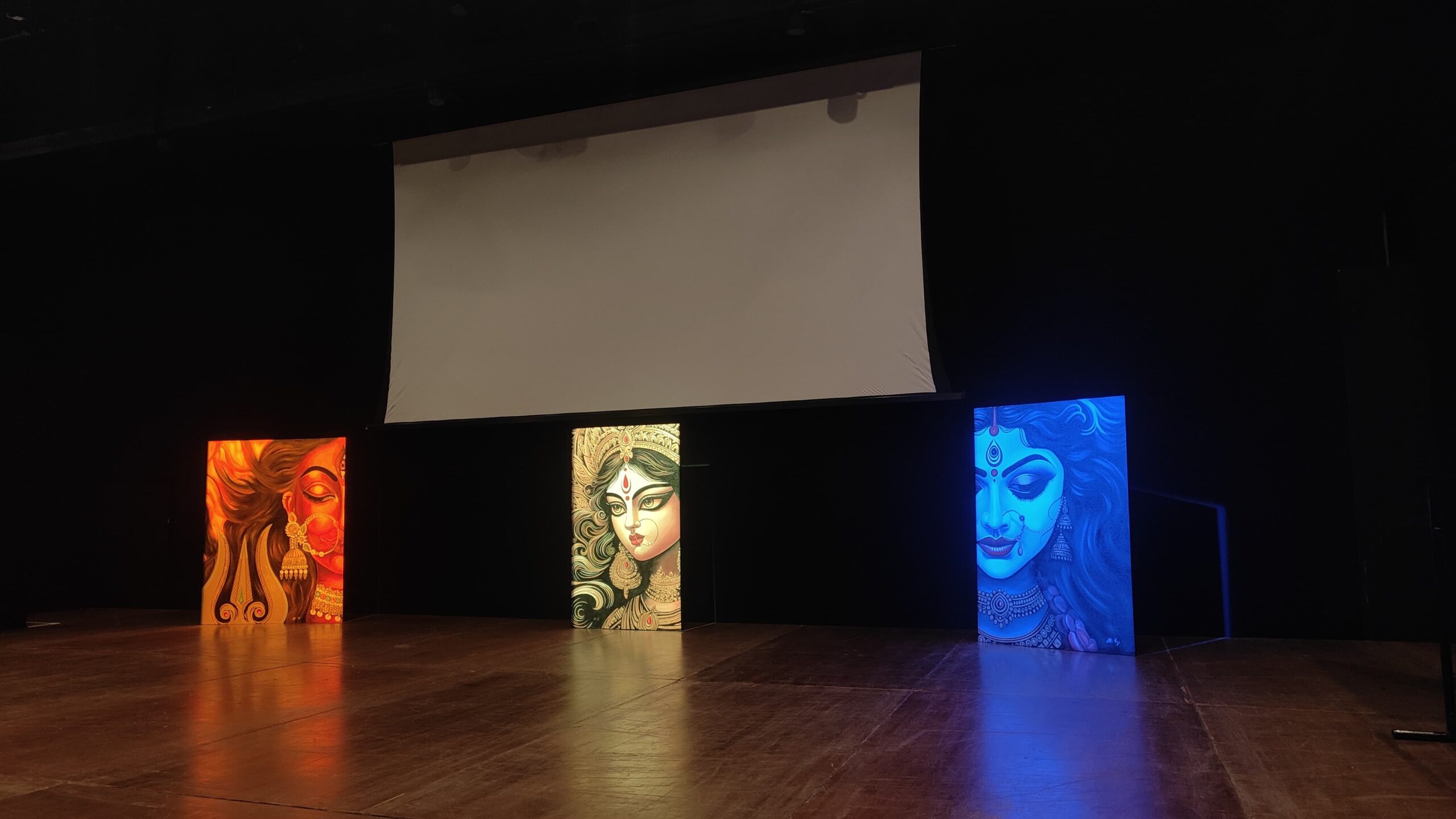
The artworks by Artress did more than frame the performance; they deepened it. Layered, evocative backdrops shifted the emotional landscape of each piece. At times, they held the Dancers in stillness; at others, they expanded the world beyond the body, making the intangible, memory, lineage, and transition visually present. The interplay between movement and canvas created a space where the narrative could breathe more fully, making each moment more immersive and resonant.
Beyond the stage, the evening carried its second purpose with equal strength.
MAYA was a fundraising initiative for the Dancers of Junoon in Dhasa, Gujarat. And the response was deeply affirming.
Through the generosity, presence, and belief of everyone in the room, we were able to take a meaningful step forward in supporting their training, their journeys, and their futures as professional Dancers. Contributions across our four pillars, The Voice, The Stage, The Discipline, and The Dream, reflected not just support but trust in what we are building.
More than numbers, it was the energy in the room that marked the success of the evening. Conversations that continued beyond the performance. People who stayed back, who asked questions, who wanted to understand, to contribute, and to be part of the journey.
MAYA did not end with a conclusion. It opened a path.
From a solo to a duet. From a question to a shared responsibility. From a performance to a movement that continues, on stages, in studios, and in places like Dhasa, where the future of this art is already in motion.
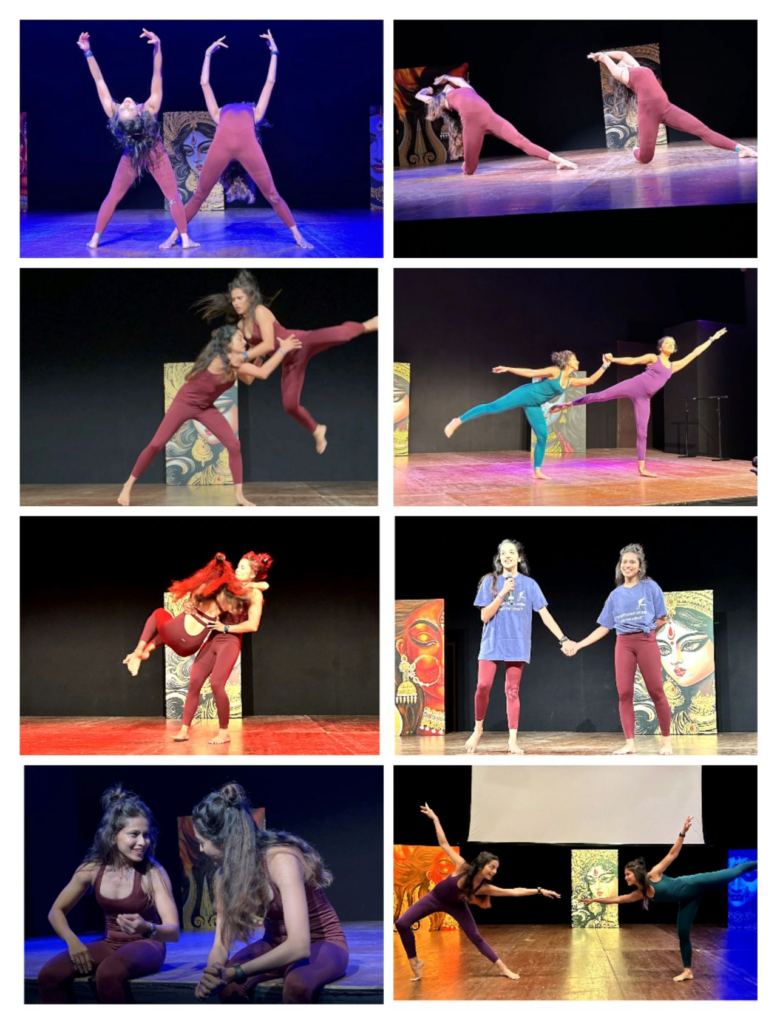
This is junoon
Mythili Zatakia (Founder-Director of The Junoon Foundation)
Bhavisha Kothari (Director – Sports and Contemporary Arts at The Junoon Foundation)
Comments