
KAYA and MAYA are not separate performances, but two movements of a single artistic journey. Together, they trace the evolving path of a Dancer, from the intimate discovery of her own body to the larger responsibility of carrying an ancient art form into the future.
KAYA turns inward, exploring the Dancer’s body as her most vital instrument, sacred, disciplined, and deeply personal. Rooted in Bharatanatyam, it reflects on devotion, endurance, and the complex experience of inhabiting a woman’s body in Dance. MAYA, building on this foundation, looks outward. Through a dialogue between Bharatanatyam, Classical Ballet, Contemporary Dance, and martial arts, it asks a pressing question: how can tradition be preserved while also evolving to meet the future?


KAYA and MAYA are not two separate productions. They are one artistic journey unfolding in two movements.
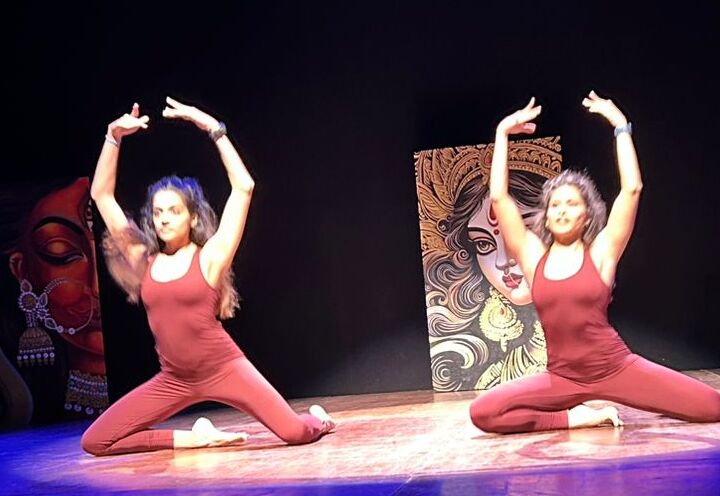
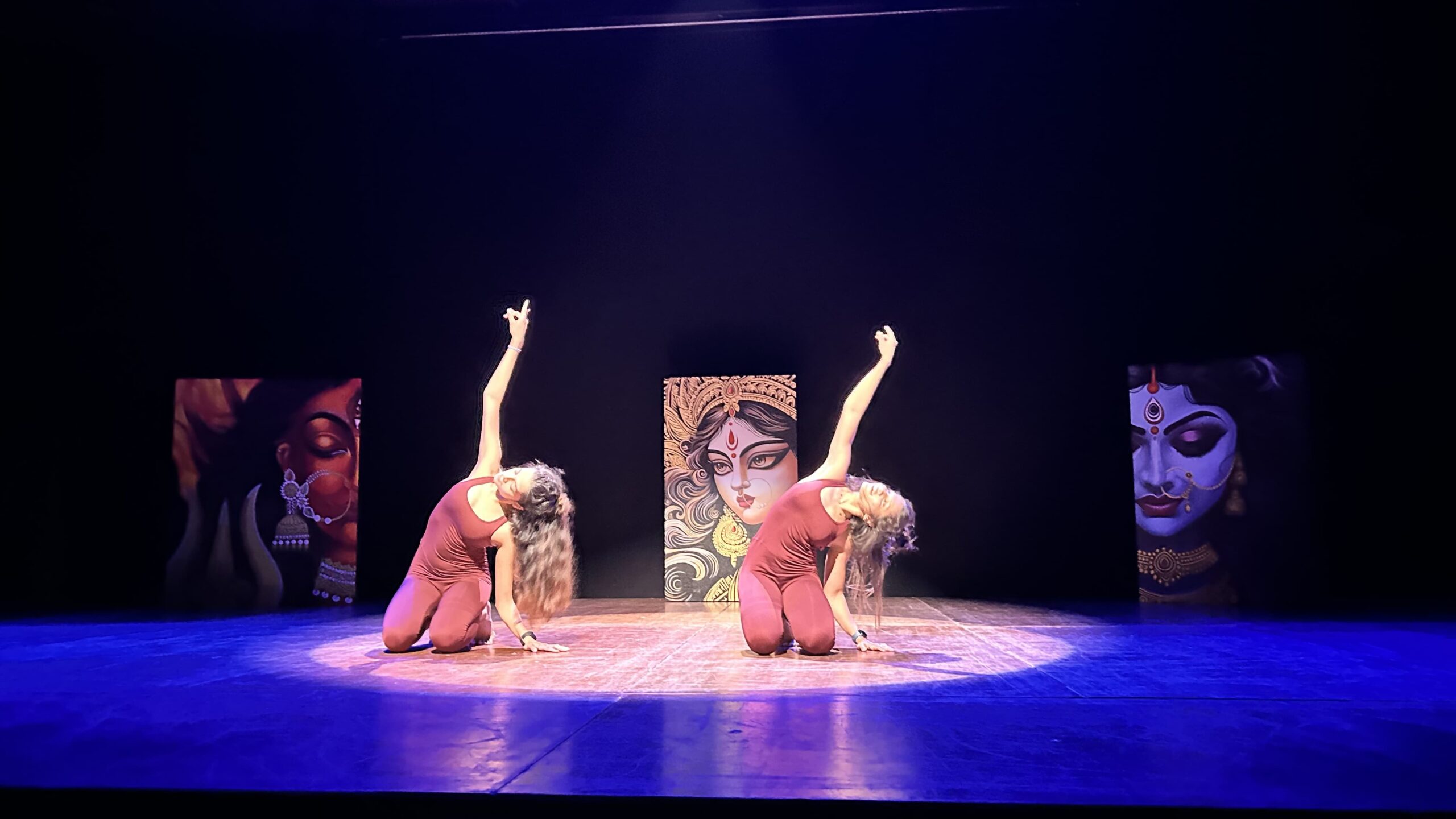
KAYA begins inward. It is an intimate exploration of the Dancer’s most vital instrument, her body. The production dwells in the sacred and the personal: bodily autonomy, discipline, devotion, and the layered experience of navigating the world as a woman who Dances. Here, the body is a temple, offering, and battleground all at once. Rooted strongly in Bharata Natyam, KAYA examines the compound reality of the Dancer’s life, physical endurance, psychological negotiation, spiritual longing. It asks: What does it mean to inhabit this body fully? Who owns it: tradition, society, the divine, or the Dancer herself?
The journey is devotional and introspective. Practice is sacred. Geometry is precise. Movement is prayer.
MAYA emerges from this foundation but looks outward. If KAYA is about practicing the art, MAYA is about perpetuating it. The central question shifts: What is the way forward? Once the Dancer understands her body and her devotion, she must confront a larger responsibility the art cannot end with her. Tradition, however sacred, must survive time. And survival demands renewal.
Where KAYA is inward and rooted, MAYA is expansive and interrogative. It introduces Ballet, Contemporary Dance, and Martial vocabularies alongside Bharata Natyam, creating dialogue across traditions. The movement language widens because the question has widened. Preservation alone is not enough; evolution must enter the room.
Emotionally too, the shift is clear. KAYA is intimate, almost meditative. MAYA carries tension, urgency, and possibility. The Dancer who once sought union now seeks direction. The devotion remains but it must now adapt to the world.
Yet the two productions are deeply connected. MAYA could not exist without KAYA’s grounding. Innovation without foundation risks dilution; foundation without innovation risks stagnation. Together, they trace the lifecycle of an artist’s embodiment first, evolution next.
KAYA was a fundraiser for cancer awareness and support, with a specific focus on women and adolescent girls. MAYA is a fundraiser for The Junoon Academy, our rural outreach program.
Visit our page to know more about it
Comments